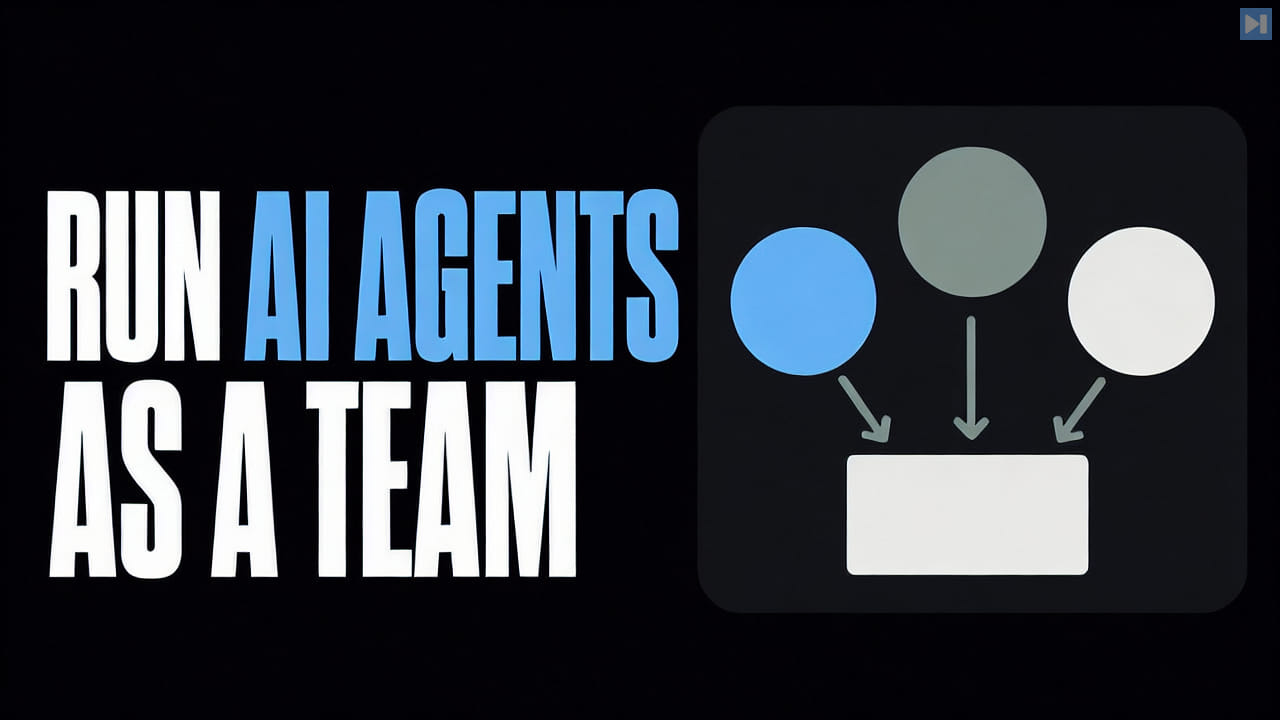
The demonstration assigns one premium model to inspect a repositoryRepository context is the relevant source, configuration, history, documentation, dependencies, and worktree state needed to understand a software task., divide a feature into independent work items, delegate them to specialized coding agents and review each resulting diffCode review examines proposed source changes to assess their correctness, clarity and suitability before or around integration.. The lower-cost workers handle data logic, interface components, tests and documentation in parallel while the orchestratorAgent orchestration coordinates AI agents, tools, people, tasks, state, and control flow so a larger workflow reaches a verified outcome. concentrates on planning and quality control.
A movie-tracker statistics page serves as the test case. The presenter reports that the orchestrated run used roughly one quarter of the premium-model tokensAI token efficiency measures how effectively a model or workflow turns consumed input and output tokens into useful results. required by a solo run, while review loops caught issues before completion. The cost result is presented as the creator's own testing estimate rather than a controlled benchmark.
The practical guidance is to prohibit the master agent from implementing code, match each worker to suitable tasksAI model routing sends each request to a model chosen for that request's complexity, cost, speed, privacy, or other requirements., keep the review loop active, inspect the final diff personally and check the rate limits and data policies of every connected model provider.
 Watch on YouTube