Nate B Jones challenges the idea that improving AI only diminishes human skills. The argument is that tools capable of doing more of the work make judgment and initiative more consequential: people close to a problem can now build a rough solution instead of waiting for another team. Taste develops through attentive observation, practical attempts and feedback, rather than through seniority alone.
Nate B Jones describes agency as reducing the distance between intention and action. An imperfect first version can reveal requirements that were difficult to state in advance, as in a sales workflow that initially flags inactivity but ultimately needs to identify stalled legal reviews. Building and learning can clarify the plan together, provided the person takes responsibility for the attempt.
Nate B Jones pairs that expanded scope with a stronger case for focus. Starting many projects can look productive while leaving important work unfinished. Resourcefulness means learning unfamiliar components, adapting tools to organizational constraints and asking useful questions while pursuing a specific worthwhile outcome, not treating one prescribed software stack as the goal.
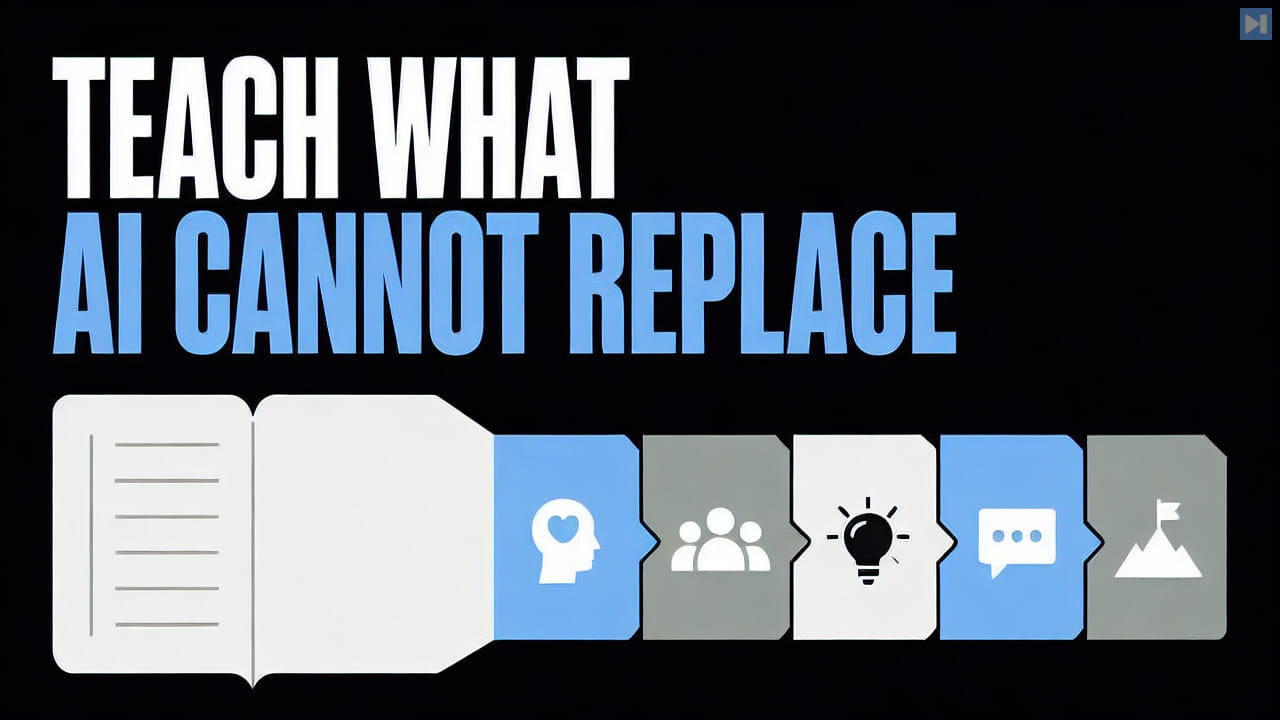
Nate B Jones defines follow-through by whether the intended recipient actually benefits. A customer guide, sales process or software release may need further changes after its first delivery. The five skills reinforce each other: recognize a useful improvement, act on it, concentrate attention, learn what is missing and keep working until the result helps someone. Predictions about 2027 are presented as the speaker's expectations, not guaranteed outcomes.
 Watch on YouTube