Nathaniel Whittemore rejects the binary question of whether AI takes every job. He argues that automation changes individual ambition, team structure, company coordination and the skills people needAI workforce transformation is the change in tasks, roles, skills and organizational structures caused by the adoption of AI systems., while creating new work around the possibilities that cheaper expertise unlocks.
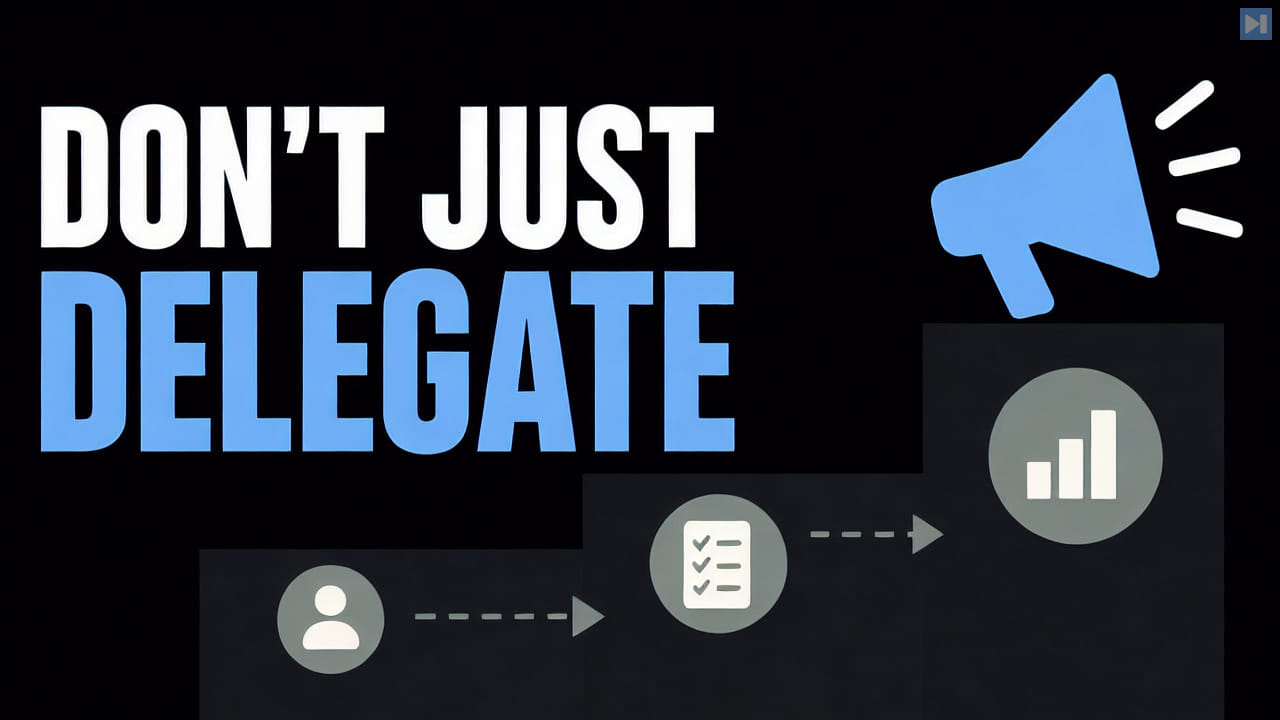
Nathaniel Whittemore explains that agents can perform stable and verifiable tasksTask-level AI automation assigns a defined activity within a larger job or workflow to an AI system., but humans still choose goals, judge quality and connect outputsHuman-AI collaboration combines human judgment and accountability with AI speed, generation, analysis, and tool use in a shared workflow. to current customers, codebases and decisions. Companies therefore need shared context and faster coordination rather than simply attaching AI to their old workflowsWorkflow automation uses software or AI to complete a connected sequence of routine steps with less manual effort..
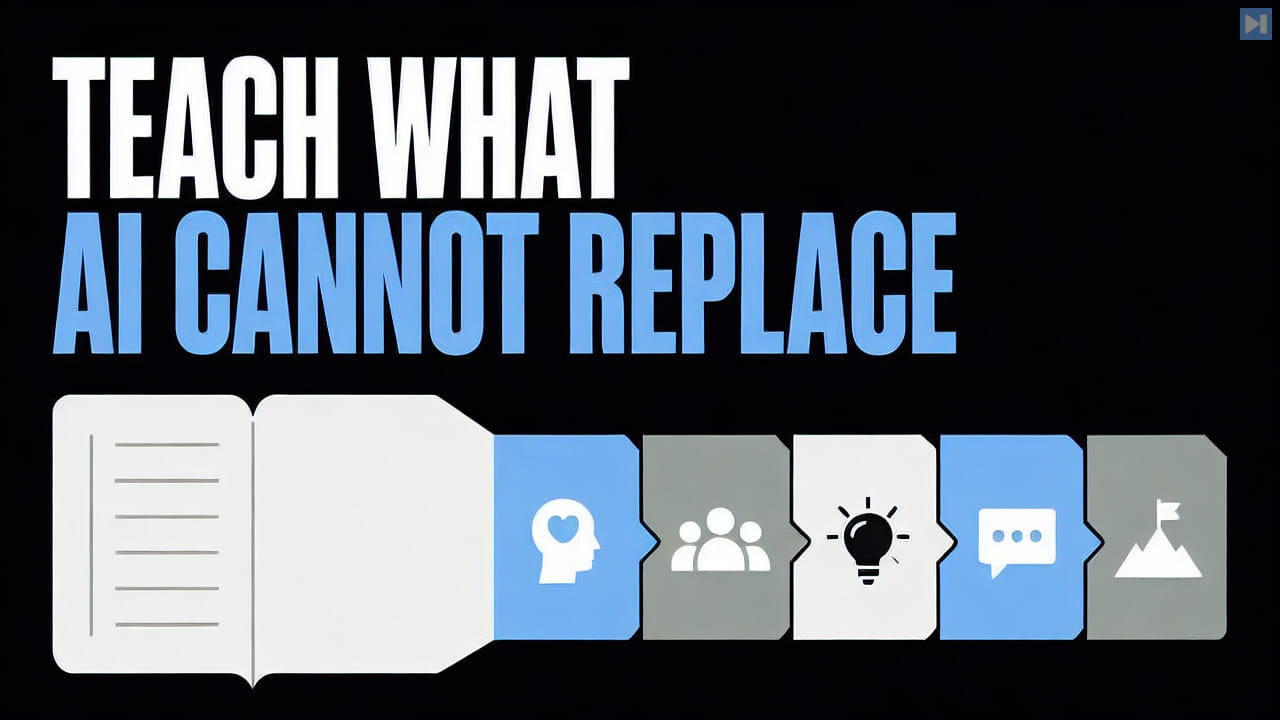
Nathaniel Whittemore expects roles involving ambiguity, management, communication, creativity and systems oversight to grow in importance. As predictable output becomes inexpensive, human value moves toward taste, judgment and responsibilityHuman judgment in AI is the accountable interpretation and decision-making people contribute when setting goals, evaluating evidence, and managing consequences. for deciding what is worth building.
 Watch on YouTube