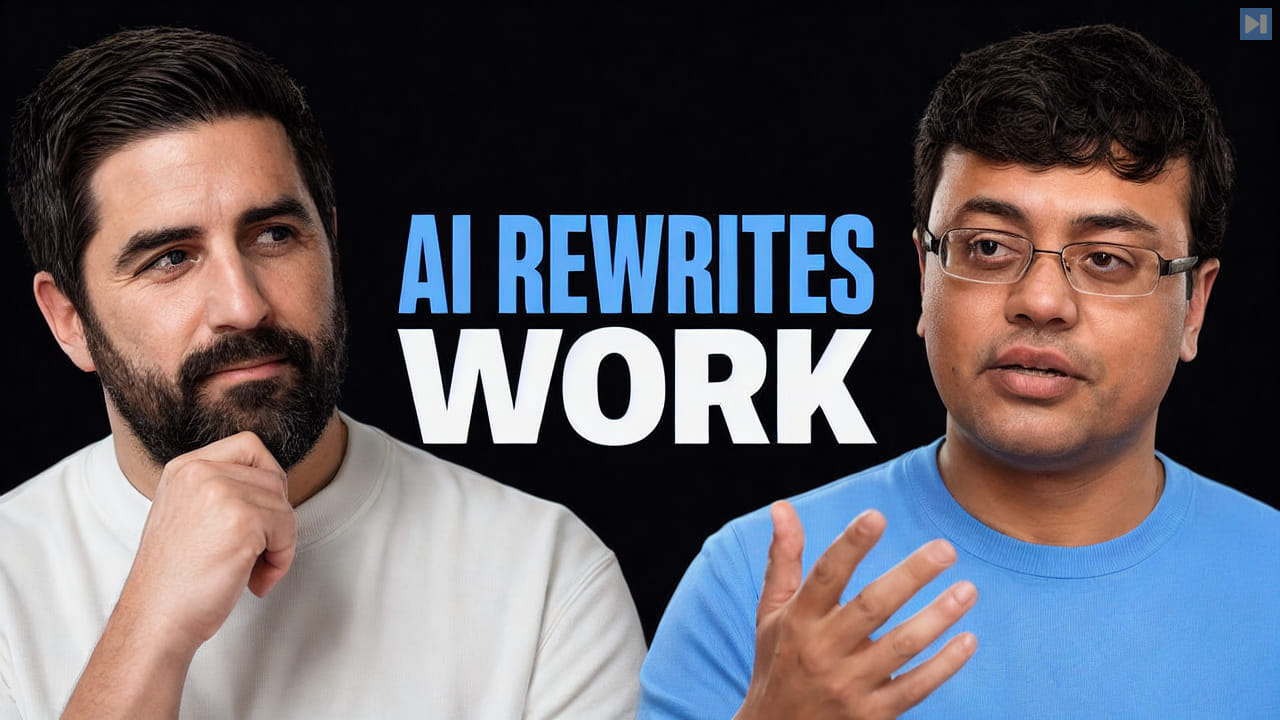
Pierce Freeman and Richard Diehl Martinez compare their experiences of autonomous rides with human-driven taxis. A predictable, private passenger experience changes how they use commuting time, but their personal confidence is not evidence that every autonomous journey is risk-free.
The technical discussion covers cameras, lidar, radar and microphones, followed by sensor fusion, coordinate alignment and bird's-eye-view representations. The hosts contrast Waymo's multisensor design with Elon Musk's camera-focused strategy at Tesla. Their estimates of processing rates, GPU requirements and internal architecture remain speculation.
Waymo's EMMA research offers an example of using a Gemini-based multimodal model for driving tasks, including trajectory prediction. It is a research prototype, not proof of the architecture running every commercial ride. Simulation can expand testing of rare situations, but does not eliminate the need for real-world validation.
Operating limits matter as much as model capability. Level 4 autonomy applies within defined conditions and locations, whereas supervised driver assistance still requires an attentive human. Freeway access raises different safety challenges and was rolling out selectively when the episode was recorded.
The final discussion asks whether driverless fleets can alter car ownership and urban transport. Utilization, charging, depots and vehicle costs shape the answer. The hosts' ride margins and payback periods are illustrative estimates that omit substantial operating expenses, not verified financial results.
 Watch on YouTube