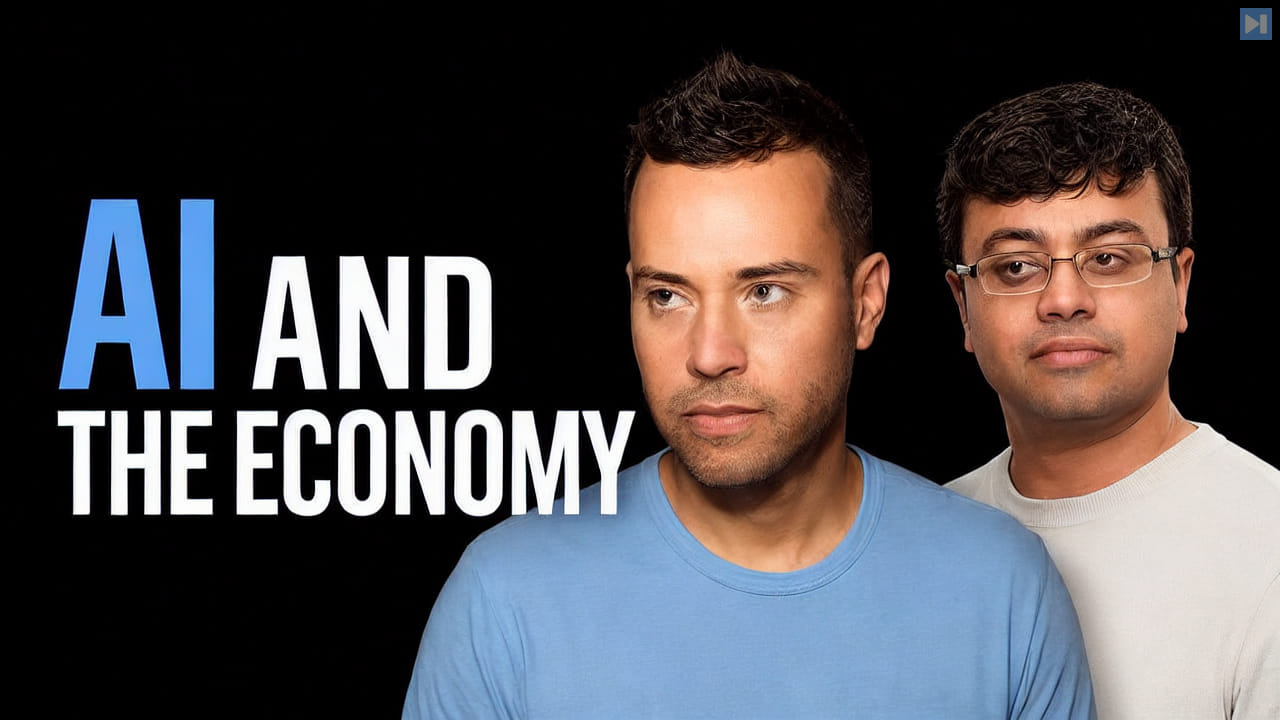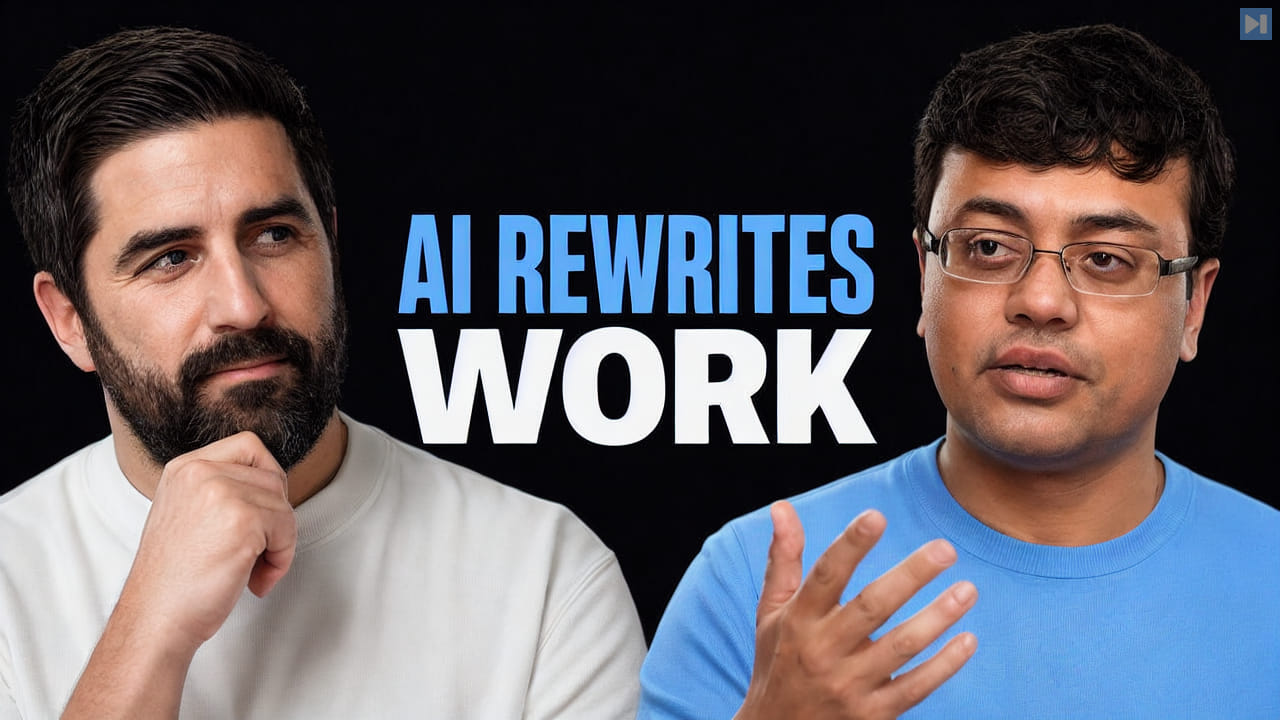
Jonathan Slotkin distinguishes being safe from feeling safe in a conversation with Sophia Dew. Drawing on his experience in medicine, he argues that visible failures, driver overconfidence and the absence of a human to question can shape reactions to autonomous vehicles. His comparisons describe a trust problem, not a guarantee of any vehicle's safety.
Jonathan Slotkin proposes treating perceived safety as a measurable product discipline, with validated feedback and clearer explanations of vehicle behavior. He also calls for candid reporting of failures and corrective action. Patient-experience methods provide an analogy; the interview does not demonstrate a validated autonomous-vehicle survey.
Jonathan Slotkin advocates standardized, independently scrutinized reporting that includes exposure and operating context, not just isolated accident counts. He discusses difficult harm tradeoffs while acknowledging limits to his knowledge of specific engineering decisions. Safety comparisons and incident accounts are his interpretations of available evidence, not a new independent safety study.
Jonathan Slotkin and Sophia Dew discuss regulation, labor and public acceptance. His views on political opposition, industry incentives and future competition are attributed arguments rather than established motives. The central takeaway is to combine methodical engineering with comparable evidence and a better understanding of how passengers experience autonomous systems.
 Watch on YouTube