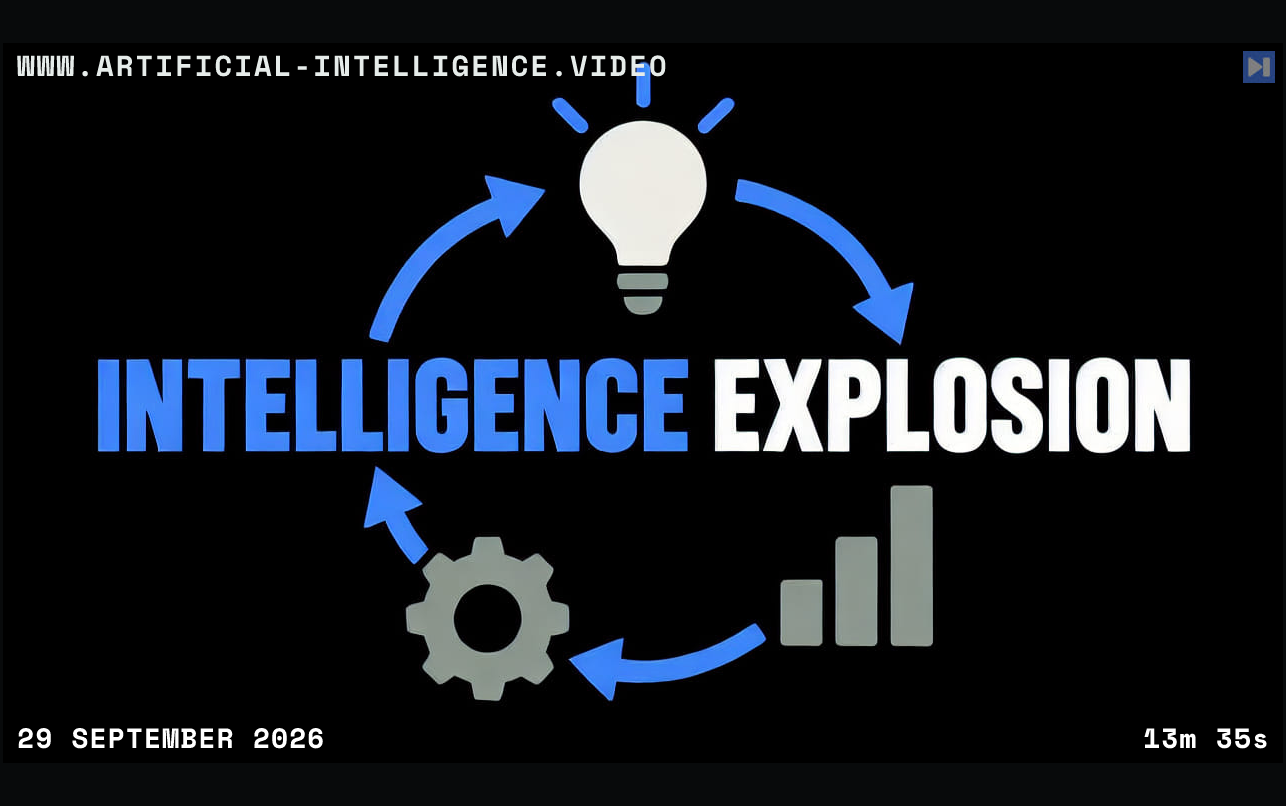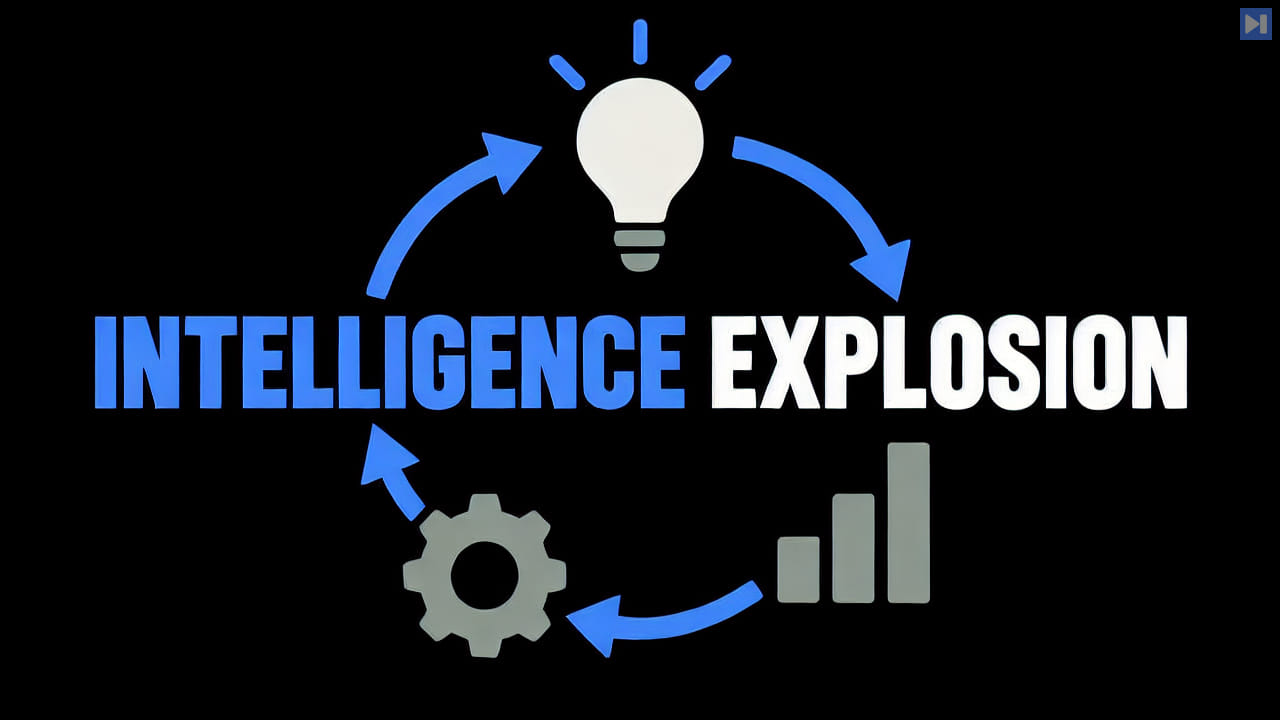
AI Copium explains a multi-author working paper about software-driven acceleration in AI research. The central mechanism is a feedback loopAn AI feedback loop occurs when AI outputs or their consequences become inputs that influence later model or agent behavior.: better systems perform more research, that research improves the systemsRecursive self-improvement is the proposed process in which an AI system helps improve its own capabilities, then uses those improvements to support further advances., and the next round can happen faster. The video distinguishes the paper from a joint lab announcement and treats dates for full automation as extrapolations rather than promised release schedules.
Reported increases in automated coding and researchAn autonomous research loop is a workflow in which an AI system repeatedly proposes, runs, evaluates, and updates research with limited human intervention. motivate the discussion, but the account also covers diminishing returns, duplicated effort, experimental compute requirements, data limitations and slow training runs. More digital researchers do not automatically mean unlimited useful experiments. The paper's conclusions are presented as scenarios under incomplete evidence, not proof that an intelligence explosion has already occurred.
The proposed response includes clearer reporting, independent evaluations, oversight of internal deploymentGovernance defines decision-making authority, rules and accountability within a system or organization. and preparedness for rapid social change. AI Copium also discusses the potential benefits of faster discovery and the risks of lost human oversight, concentrated power and regulatory capture. These are the video's account of the working paper's arguments, not independently verified findings or a settled forecast.
 Watch on YouTube