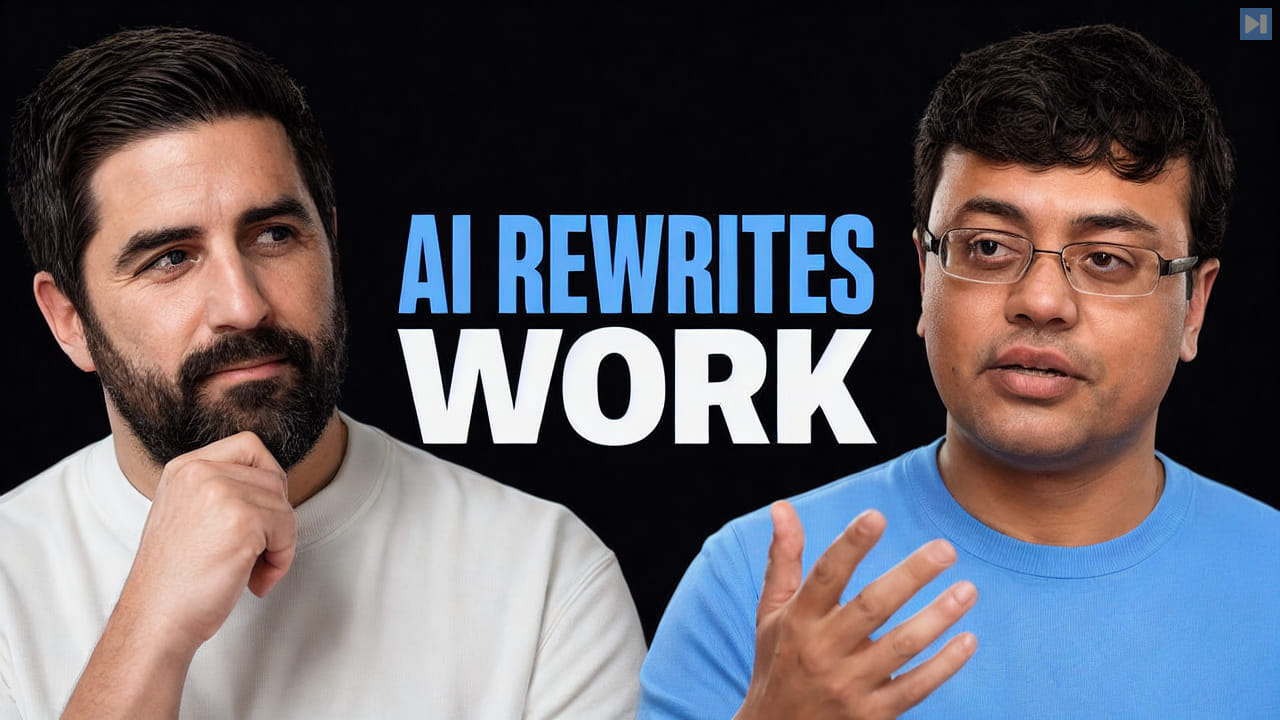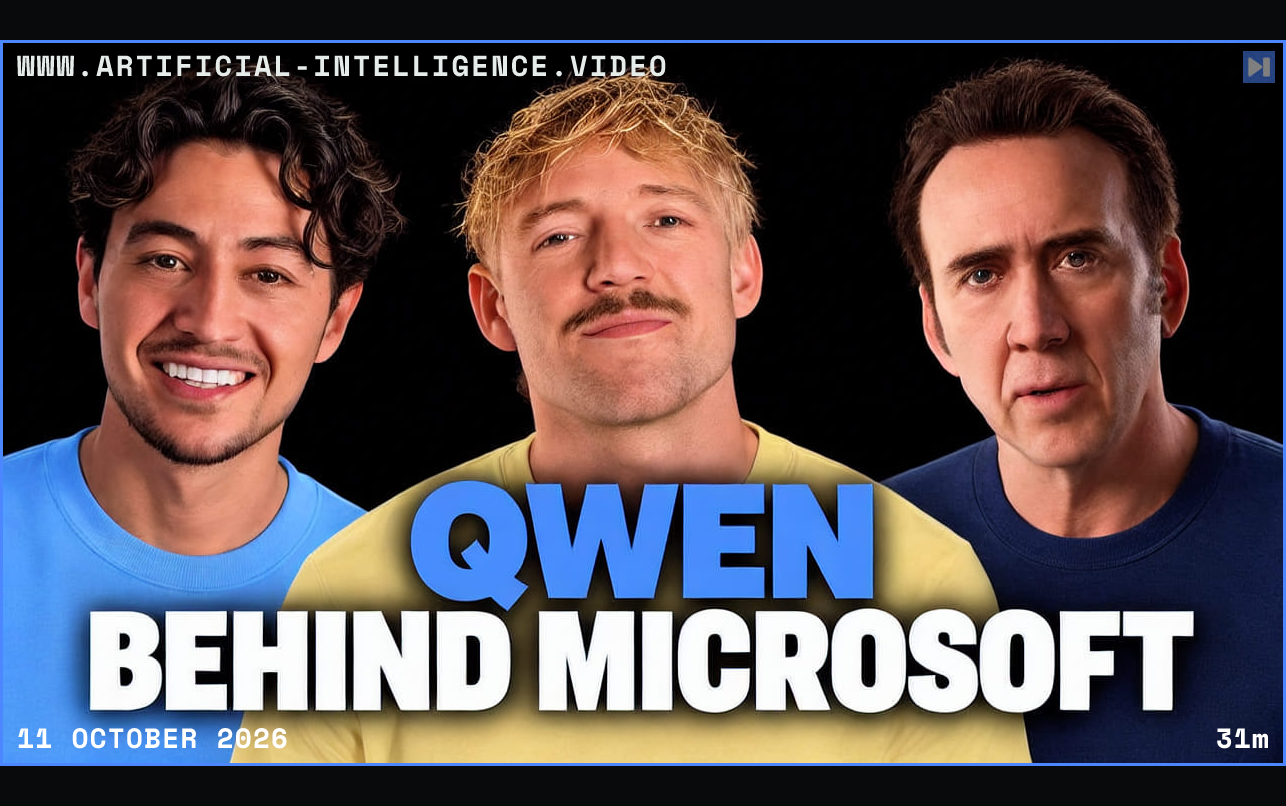
Nick Saraev and Jack Roberts discuss claims that AI can reproduce substantial software functionality and question which subscription businesses remain defensible. They distinguish a prototype from a production-ready service, weighing user experience, latency, distribution, regulatory friction and the cost of switching against cheaper alternatives. Their forecasts about shrinking software moats remain attributed opinions.
Nick Saraev and Jack Roberts consider Nicolas Cage's reported refusal to authorize AI use of his likeness. The discussion connects creative labor, consent and economic insecurity, without treating the hosts' speculation about the actor's finances as established fact. A joking correlation chart is not presented as evidence of causation.
Nick Saraev and Jack Roberts turn to Microsoft Decision 1 and its disclosed Qwen foundation. They explain the appeal of specialized models that assign probabilities to fixed choices rather than producing a long conversational answer. Email routing, filtering and content-selection workflows illustrate possible uses; speculation about other models' training provenance is not reported as verified fact.
Nick Saraev and Jack Roberts finish with viewer questions about conversational interaction with AI and resilience if access to services is disrupted. Local model access, practical preparedness and trusted communities are framed as the hosts' suggestions, not predictions of an inevitable catastrophe. Giveaways, sponsorship and podcast promotion are omitted.
 Watch on YouTube