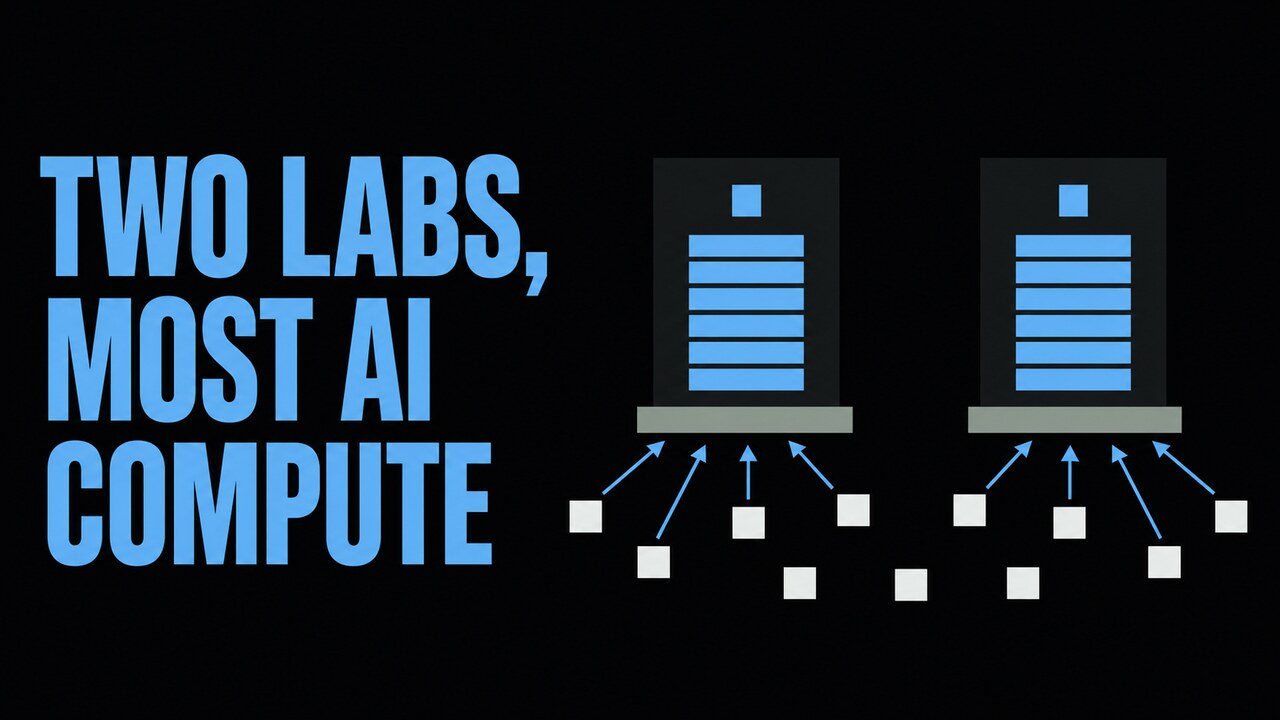
Nathaniel Whittemore opens with reported attacks on OpenCode and the risks of storing valuable model API credentials. He discusses the tension between broad access to defensive models and restricted access programs, then turns to AI infrastructure financing, electricity constraints and the difference between weak demand and projects that cannot obtain power. These are accounts and interpretations presented in the episode, not independent incident attribution or investment advice.
Nathaniel Whittemore examines a proposed Anthropic public-benefit fund and the distinction between company-controlled philanthropy, direct share ownership and a universal public entitlement. He discusses the scale of potential philanthropic assets alongside the practical difficulty of finding effective organizations and allocating large amounts of money well. Proposed commitments and valuation-based estimates are not treated as completed distributions.
Nathaniel Whittemore surveys competing views about who should decide what qualifies as public benefit and how beneficiaries could have more influence. A related discussion of IPO governance and proposed AI safety legislation highlights tensions between investor oversight, executive authority, independent evaluation and protections for the wider public. The conclusion frames concentrated AI wealth and power as interconnected democratic questions rather than settled policy.
 Watch on YouTube