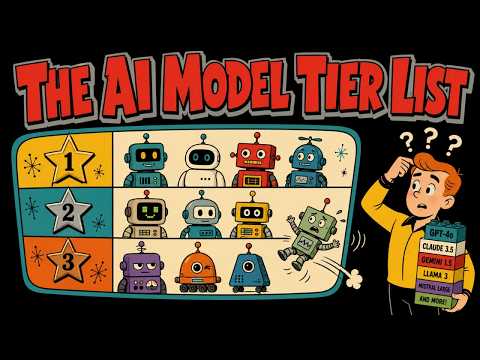
Nathaniel Whittemore uses Theo Browne's model tier list to show why a single ranking can obscure the practical differences between current AI systems. The most capable model may be best for difficult coding or reasoning, while a faster and cheaper model can be the better choice for classification, retrieval and reversible support work.
Whittemore explains that enterprise adoption also depends on constraints beyond intelligence. Data-retention policiesAn AI data retention policy defines which inputs, outputs and logs are stored, for how long and for what purpose. can disqualify a frontier model, procurement moves slowly, and companies often keep proven older systems while testing newer ones. AT&T illustrates the shift by routing simpler work to open models while reserving frontier models for harder tasks.
The episode argues that model routersAI model routing sends each request to a model chosen for that request's complexity, cost, speed, privacy, or other requirements. and open-weight systems are turning AI selectionModel selection chooses the AI model whose capability, quality, cost, speed, safety, and operating constraints best fit a task. into an architecture decision. Cost per useful resultCost per completed task measures the total AI, tool, infrastructure, retry, and repair expense for each verified useful outcome., token efficiencyAI token efficiency measures how effectively a model or workflow turns consumed input and output tokens into useful results., privacy, hosting options and reliability all shape the final stack, so the emerging advantage comes from matching each task to an appropriate model rather than declaring one permanent winner.
 Watch on YouTube