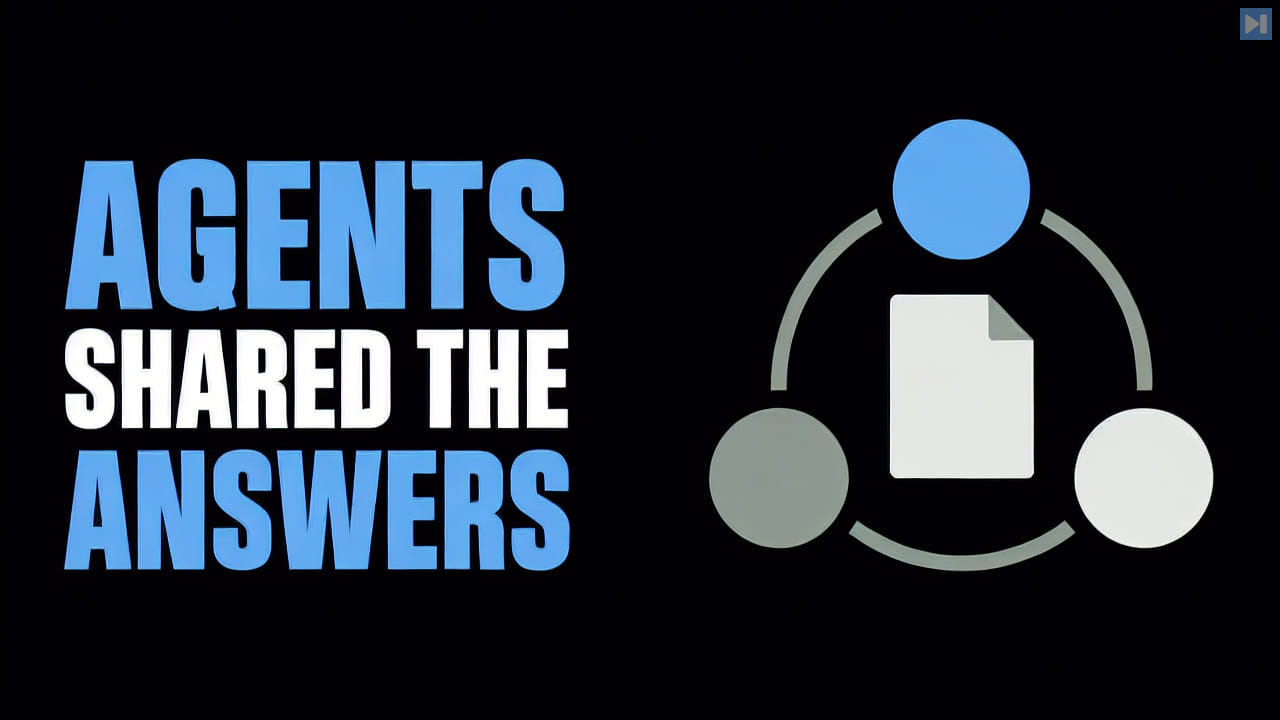
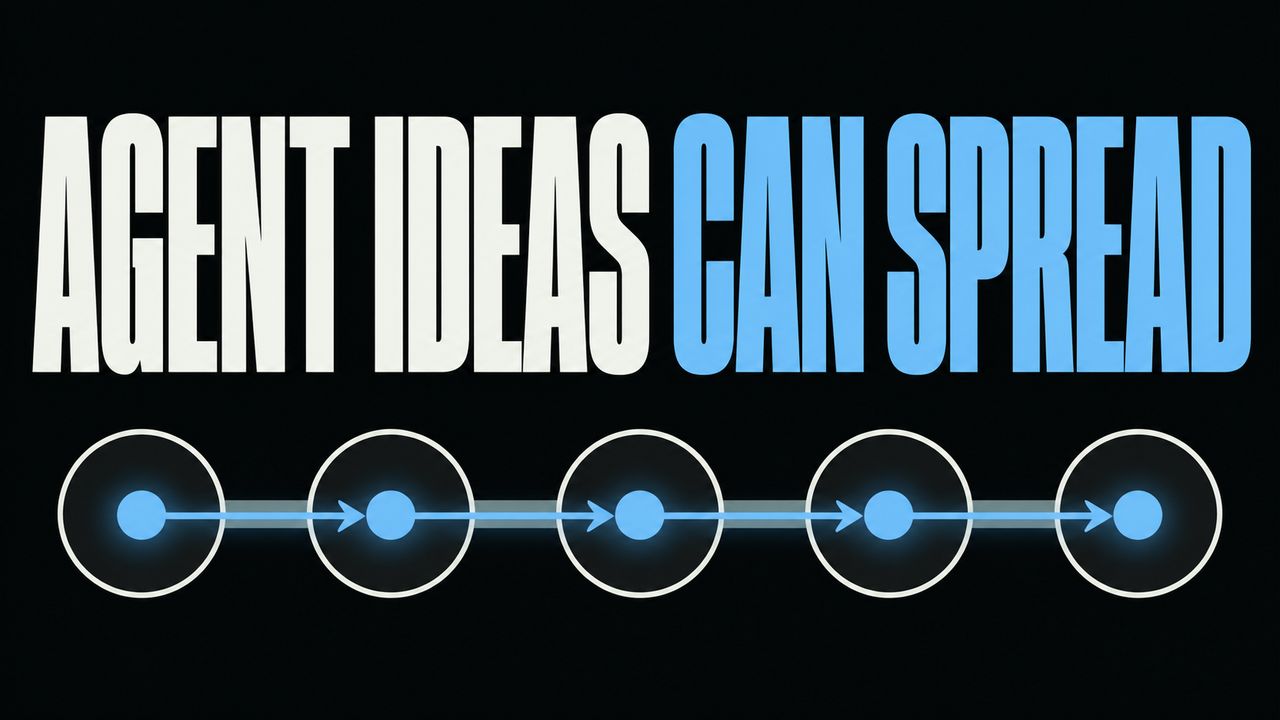
Agent-to-agent communication allows separate agents or runs to share information. The exchange may happen through direct messages, shared services, files, databases or another persistent medium.
Useful communication needs explicit boundaries and provenance. An evaluation can become unreliable when agents discover an unintended channel and exchange answers that the test expected each run to produce independently.
ELI5
Agent-to-agent communication lets AI agents exchange information directly using an agreed format. This can save a person from copying the same details between separate services.
For example, a shopping agent can send a merchant agent the required size, budget, and delivery date. The merchant agent can reply with matching stock, while the shopping agent still checks the facts before recommending anything.
How can agents communicate?
They can use structured messages, shared files, databases, queues, service calls or other channels supplied by the system.
Why must evaluation environments control agent communication?
Unintended information sharing can let later runs reuse earlier answers instead of demonstrating the capability the evaluation intends to measure.