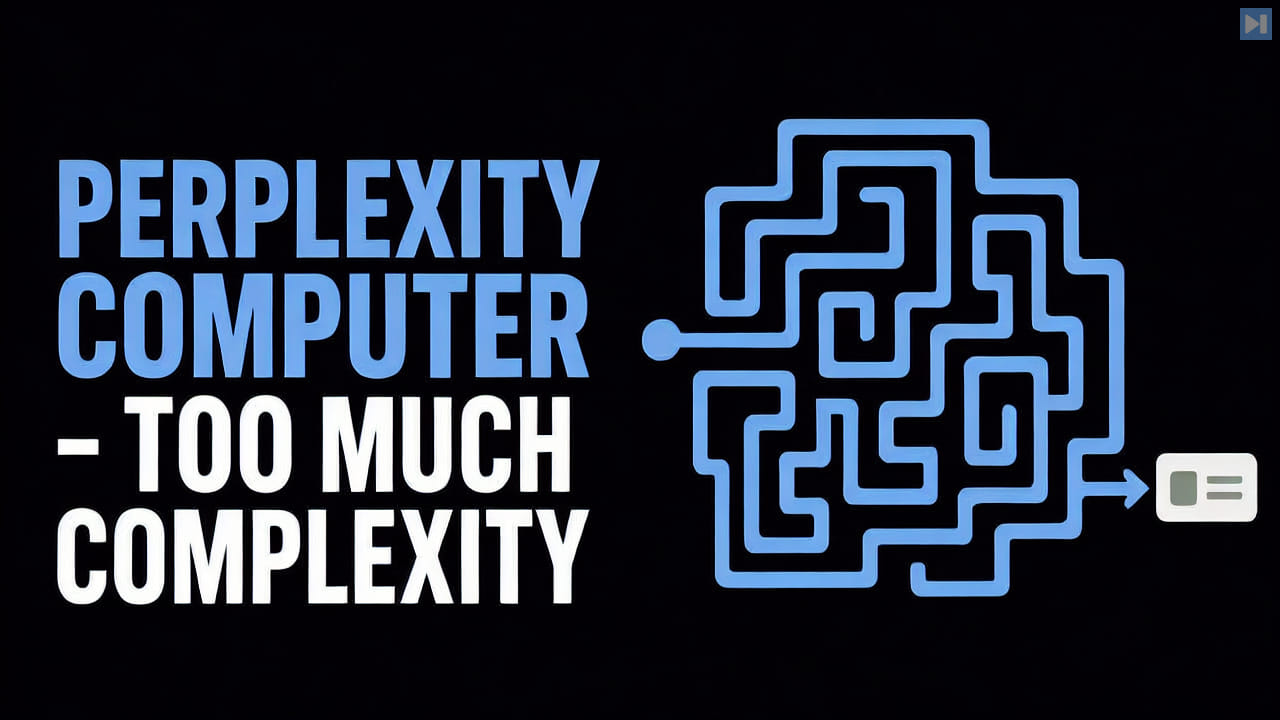
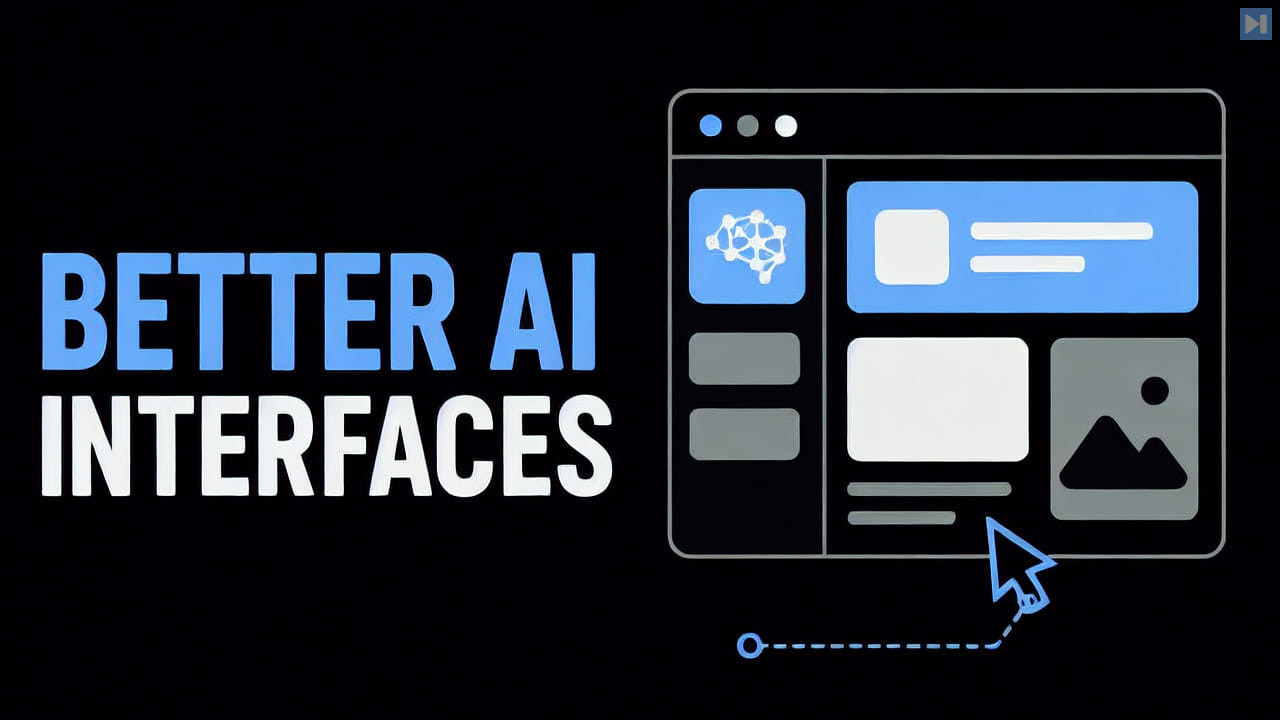
Agentic workflow abstraction lets a user express intent and receive a useful result without supervising every model call, agent handoff, tool invocation, retry, and intermediate artifact. The system owns orchestration while exposing the decisions and evidence that matter to the user.
Abstraction should reduce cognitive load without concealing risk. Users still need clear status, approval for consequential actions, error explanations, provenance, cancellation, and the ability to inspect relevant evidence when the workflow fails or behaves unexpectedly.
ELI5
Agentic workflow abstraction hides many low-level AI steps behind a simpler goal-oriented experience. The user asks for an outcome while the system handles model calls, tool use, handoffs, retries, and intermediate files without demanding constant supervision.
For example, a user might request a sourced market report instead of manually directing separate research, writing, and citation agents. The interface should still show meaningful status, request approval for consequential actions, explain failures, and let the user inspect important evidence.
Why hide internal AI agent orchestration?
Most users care about goals and verified outcomes, not the routine mechanics of assigning and monitoring every internal step.
What should an agentic workflow abstraction keep visible?
It should show meaningful status, permissions, costs, blockers, errors, evidence, approval requests, and final verification.