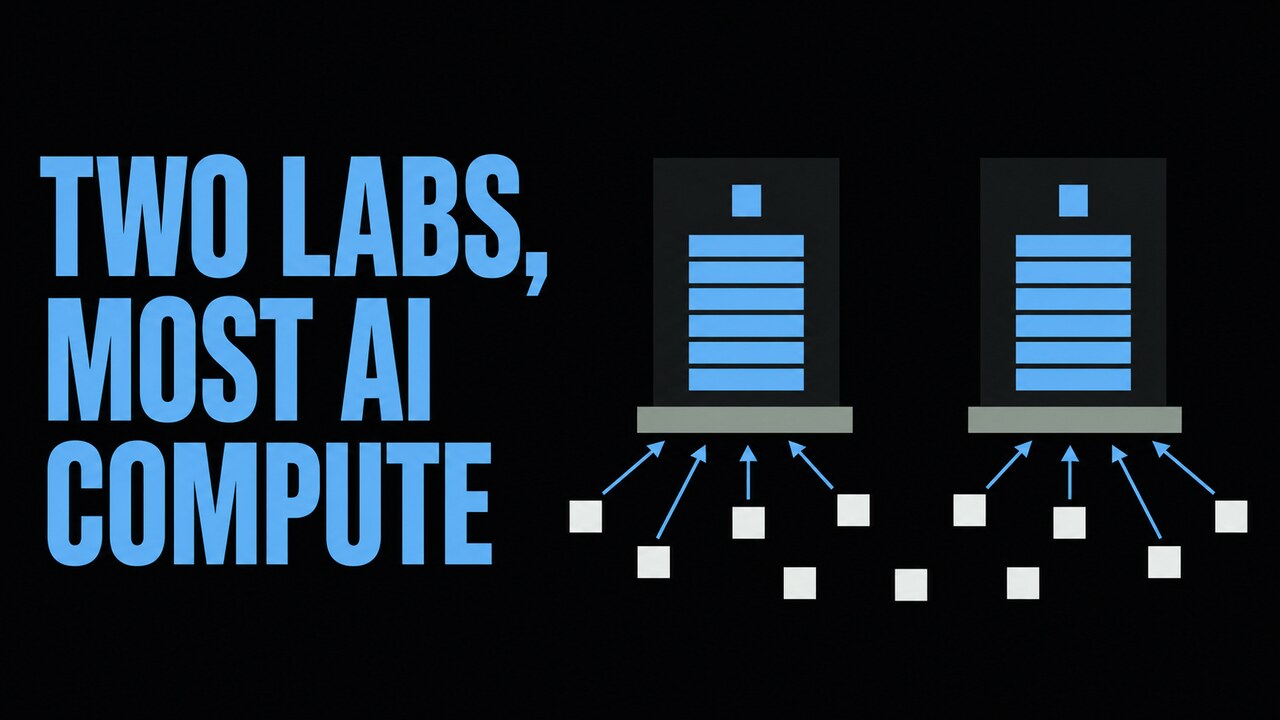
An AI compute flywheel begins when an organization invests computing capacity in model research. If the resulting model is more useful or efficient, it can produce additional revenue, attract capital or accelerate further research.
Those returns can fund another round of infrastructure and training, giving the organization a compounding advantage. The cycle is not guaranteed because regulation, safety delays, weak demand, credit conditions, energy shortages or construction constraints can interrupt it.
ELI5
A compute flywheel is a cycle where better AI software creates demand for more computing hardware, and better hardware makes new AI software possible. Each side can push the other forward.
For example, a more useful model attracts more customers, leading a provider to build more capacity. That capacity supports larger experiments and faster service, which may produce another better model. The cycle can slow if the infrastructure is too expensive or demand does not arrive.
What makes an AI compute flywheel self-reinforcing?
Better models can increase future revenue or research productivity, which gives their developer more resources to acquire compute and train the next model.
Can an AI compute flywheel stop?
Yes. Capital limits, regulation, delayed releases, power shortages, construction delays or disappointing model returns can weaken the cycle.