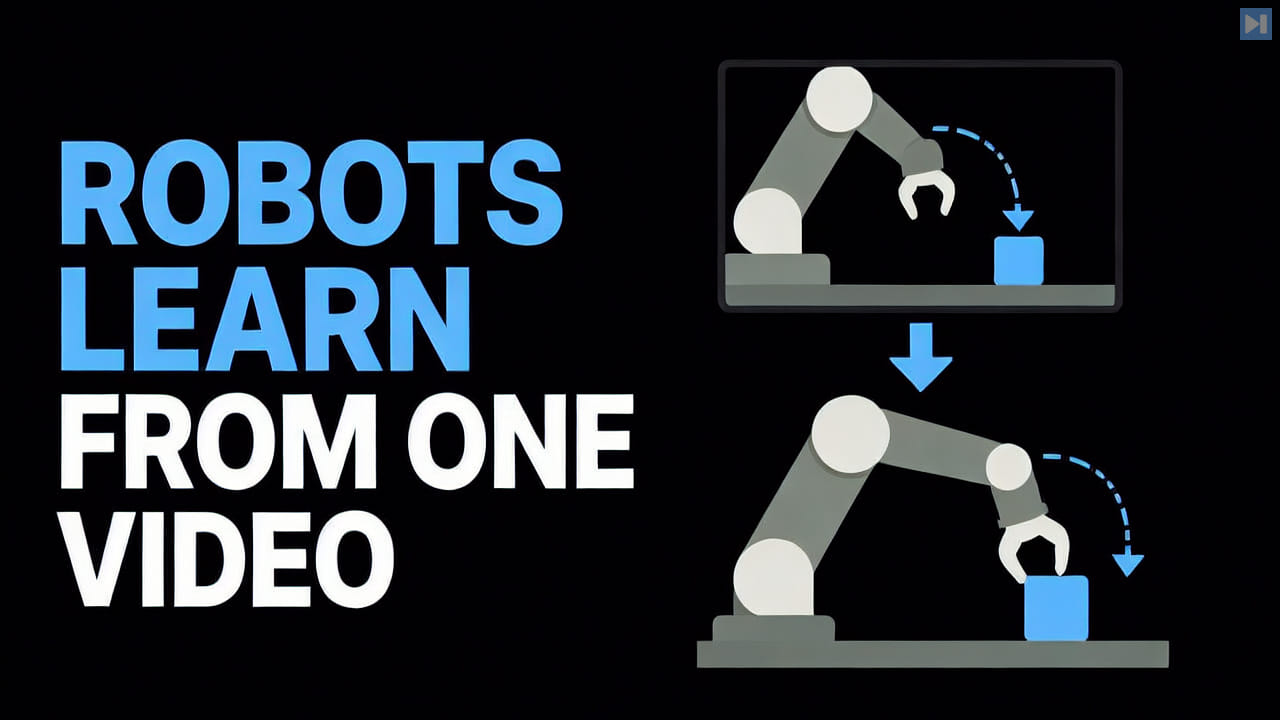
Physical AI connects models to sensors, control software and hardware so a system can perceive conditions and influence the real world. Examples include robots, autonomous vehicles and industrial machines that adapt their actions from observed data.
A physical system must cope with timing, uncertainty, mechanical limits and safety consequences that do not exist in a text-only interaction. Useful performance therefore depends on the complete loop from sensing and model output to control, movement and human oversight.
ELI5
Physical AI connects models to sensors and machines so they can understand and act in the real world. Unlike a text-only tool, it must deal with objects, movement, timing, and the consequences of a wrong action.
For example, a warehouse robot can use cameras to locate a package, plan a safe route, and move it to another shelf. The complete system must keep checking its surroundings because people or obstacles can enter its path.
How is physical AI different from a chatbot?
A chatbot primarily produces digital responses, while physical AI connects model decisions to sensors and machines whose actions change a real environment.
Where is physical AI used?
It is used in robotics, autonomous vehicles, logistics, manufacturing, assistive devices and other systems that must perceive and act in the physical world.