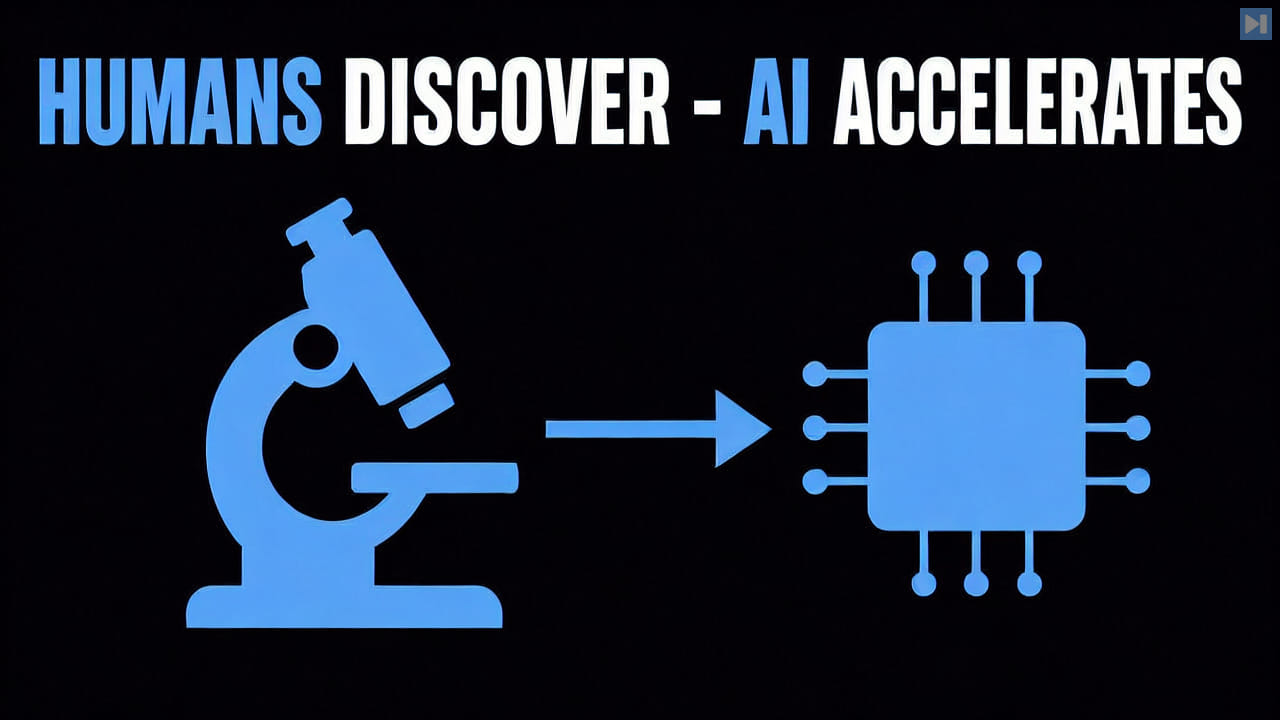
Human-AI collaboration assigns work according to complementary strengths. Agents can research, draft, compare, monitor, and operate tools, while people define goals, supply context, resolve ambiguity, judge quality, and authorize consequential decisions.
Effective collaboration needs visible state, clear roles, evidence, feedback, and escalation paths. The human should not become a passive approval step, and the agent should not be expected to infer authority or organizational context that has not been explicitly provided.
ELI5
Human-AI collaboration divides work so people and AI systems contribute different strengths. AI can rapidly search, compare, draft, and use tools, while people provide goals, context, judgment, and accountability.
For example, an AI system can summarize several supplier proposals and highlight differences. A manager can then question weak evidence, consider relationships and risk, and make the decision instead of approving the generated ranking automatically.
What makes human-AI collaboration effective?
Clear roles, accessible context, observable work, checkable outputs, bounded permissions, and timely escalation make collaboration more reliable.
Should humans review every AI agent action?
Not necessarily. Review can be risk-based, with stronger approval for ambiguous, irreversible, sensitive, or high-impact actions.