Nathaniel Whittemore explains that AI productivity gains are uneven. Some tasks improve immediately, while other workflows require new infrastructure, human oversightHuman-in-the-loop AI keeps a person involved in reviewing, correcting, approving, or guiding an AI system's work. and management practices that consume much of the time initially saved.
Nathaniel Whittemore describes practical responses to AI's new operational problems, including writing policies for low-quality output, smarter allocation of model tokensAI token efficiency measures how effectively a model or workflow turns consumed input and output tokens into useful results., clearer guardrailsA guardrail is a technical or procedural control that limits unsafe, disallowed, deceptive, or otherwise unwanted AI behavior. and governance, and systems that preserve organizational context around tools and agent workflows.
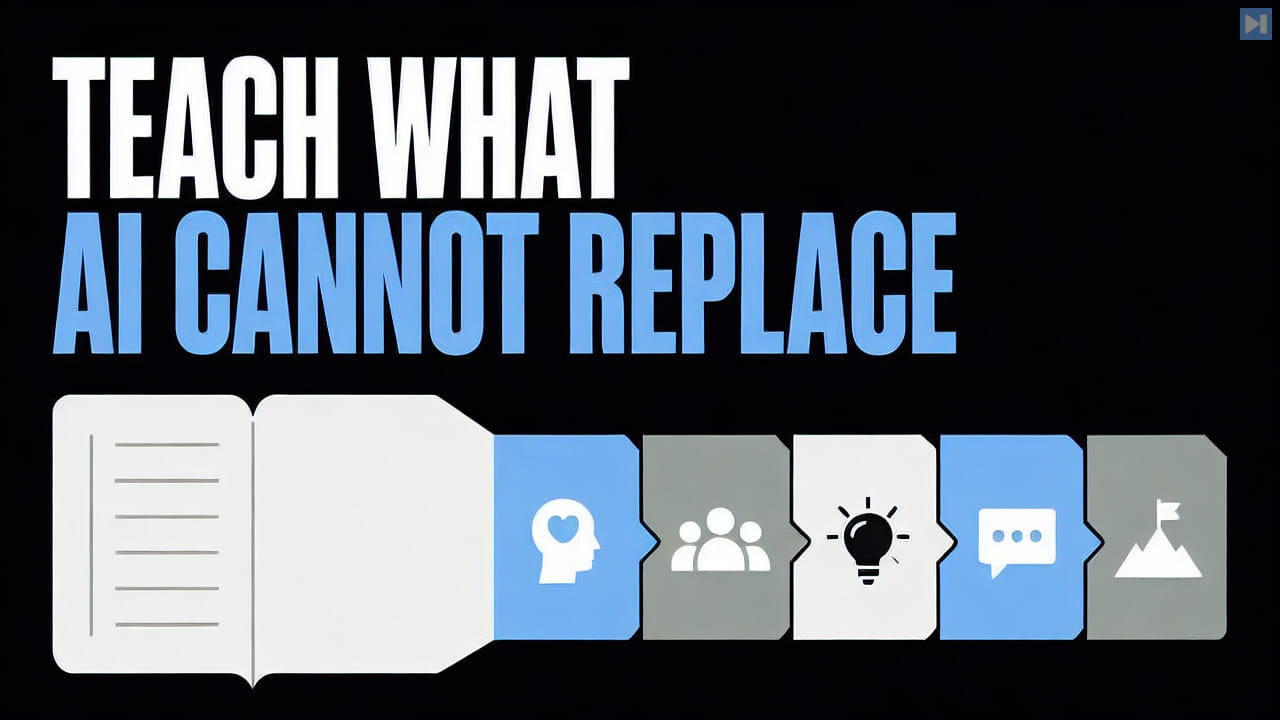
Nathaniel Whittemore warns that broad AI use can erode judgment, critical thinkingHuman judgment in AI is the accountable interpretation and decision-making people contribute when setting goals, evaluating evidence, and managing consequences. and the junior work through which expertise develops. He argues that technology investment must be paired with employee trainingAI workforce transformation is the change in tasks, roles, skills and organizational structures caused by the adoption of AI systems., deliberate practice and open sharing of the methods that help companies adopt AI without weakening their future capabilities.
 Watch on YouTube